Every School is an Eco-School!
Registration for the 2025-2026 school year opens August 10th!


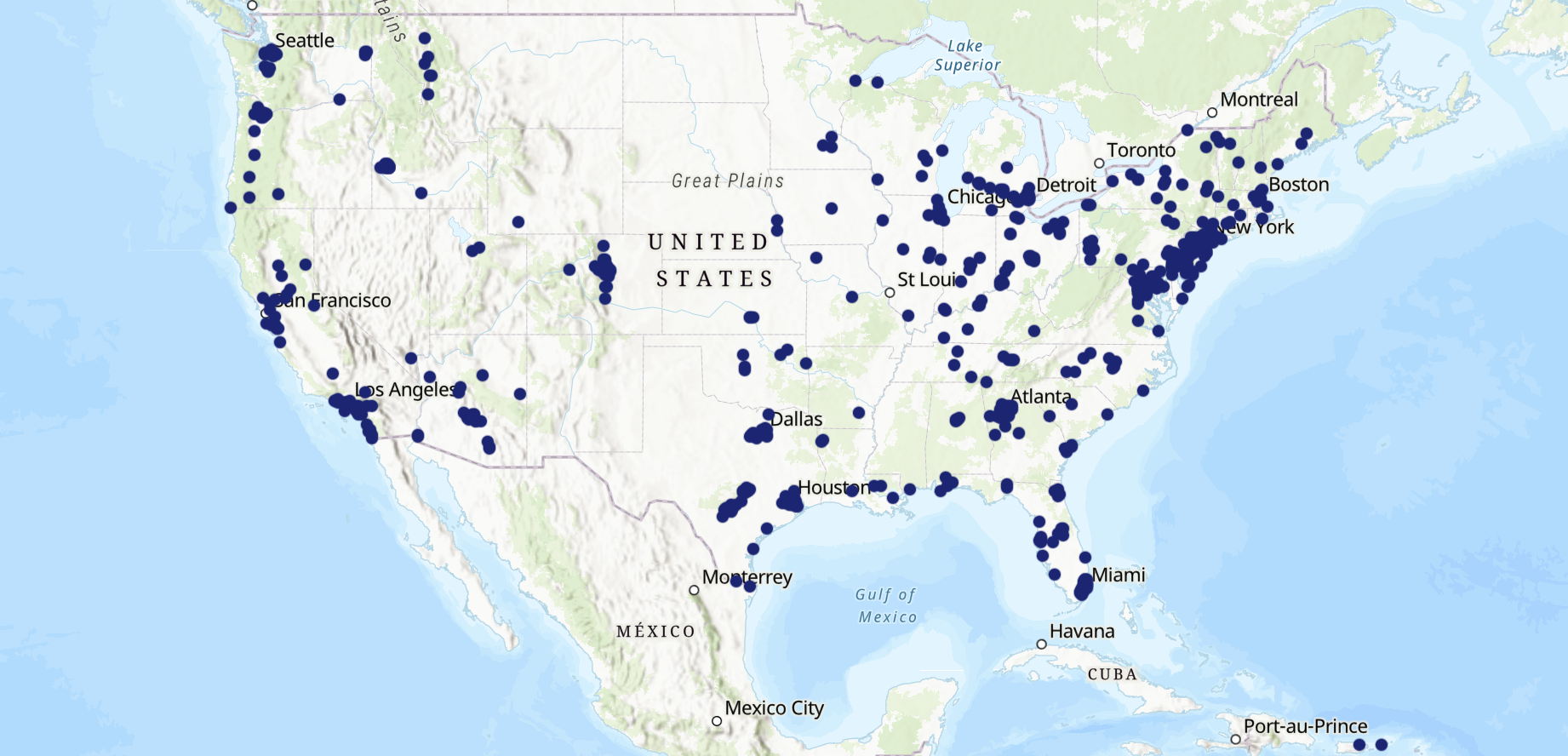
Eco-Schools U.S. offers a certification program for elementary through secondary schools that nurtures environmental learning and climate action. Our award-winning, curriculum-linked framework supports school communities as they assess, track, benchmark, and celebrate environmental excellence. We are the exclusive national operator of the Eco-Schools program in the United States, and a member of the international network of Eco-Schools, coordinated by the Foundation for Environmental Education.
Learn about how you can support environmental action through our certification program for K-12 schools
Learn about how our program can support your school to meet your strategic sustainability goals

PO Box 1583, Merrifield, VA 22116-1583
800.822.9919

Inspire a lifelong connection with wildlife and wild places through our children's publications, products, and activities
Learn More

