Lack of Interest in Arctic National Wildlife Refuge Lease Sale Confirms Inviable Solution to Current Energy Demands
- Cait Fallon
- Jun 05, 2026
WASHINGTON, D.C. (June 5, 2026) — The National Wildlife Federation applauds the major domestic oil and gas companies for declining to participate in today’s lease sale within the Coastal Plain of the Arctic National Wildlife Refuge. The absence of major bidders confirms that developing this remote, iconic landscape is widely recognized as in impractical response to the current energy crisis and would threaten wildlife and the Gwich’in people.
"American families are facing real financial pressures from high energy prices and we must focus on solutions that provide reliable, near-term relief," said David Willms, associate vice president for public lands at the National Wildlife Federation. "The fact that major developers did not participate in this lease sale validates that drilling in the Arctic Refuge is not the answer to our current energy challenges. The few entities that bid are jeopardizing one of the United States' most iconic wild places, and its irreplaceable wildlife."
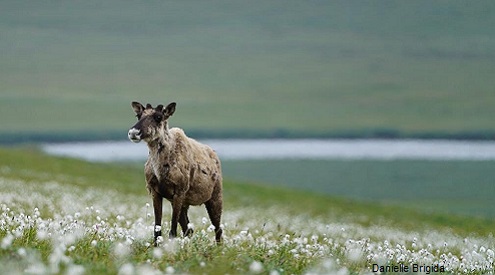
"The Arctic Refuge is one of God's great sanctuaries—a place where caribou still migrate, polar bears den, and countless species find refuge in a rapidly changing world. To threaten this sacred landscape for short-term profit is to forget that creation is not ours to exploit, but ours to responsibly steward and protect. Protecting the Arctic Refuge honors the wonder of God’s creation, respects the rights of the Gwich’in, and safeguards the world’s future. This is a moral responsibility that transcends geography and politics,” said Andrew Black, National Wildlife Federation director of Tribal Lands and Waters.