National Wildlife Magazine
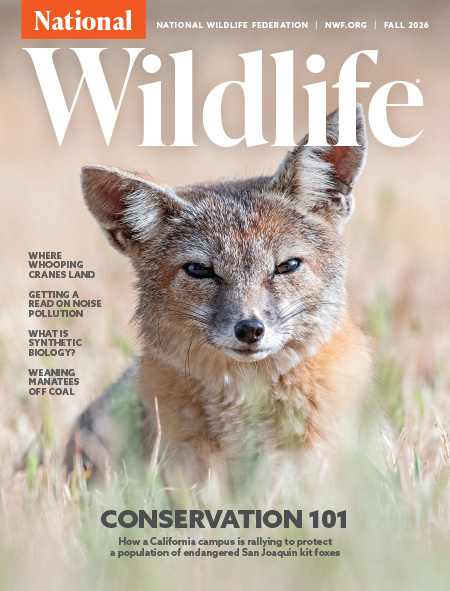
Fall 2026 Issue
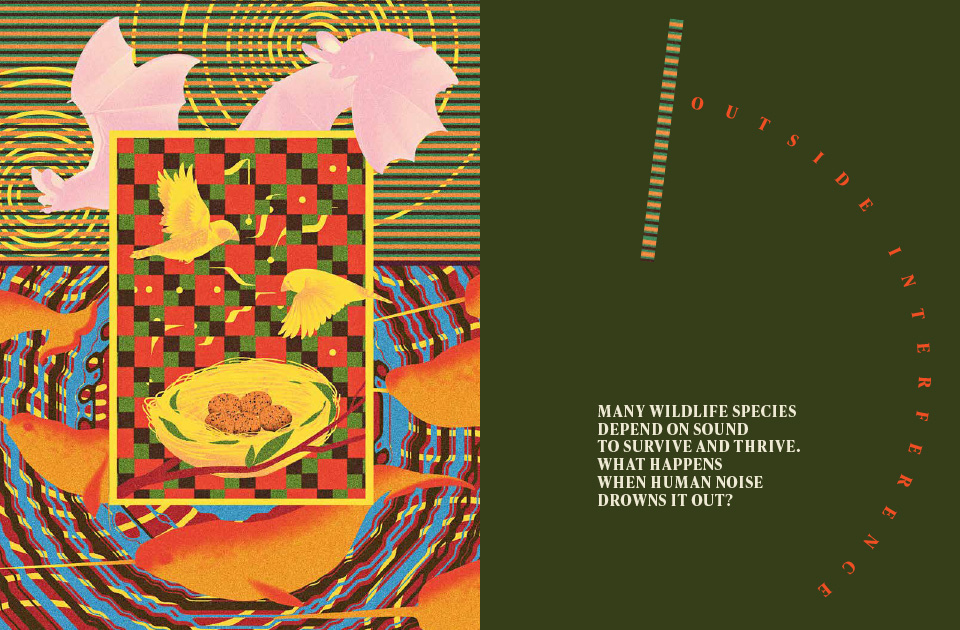
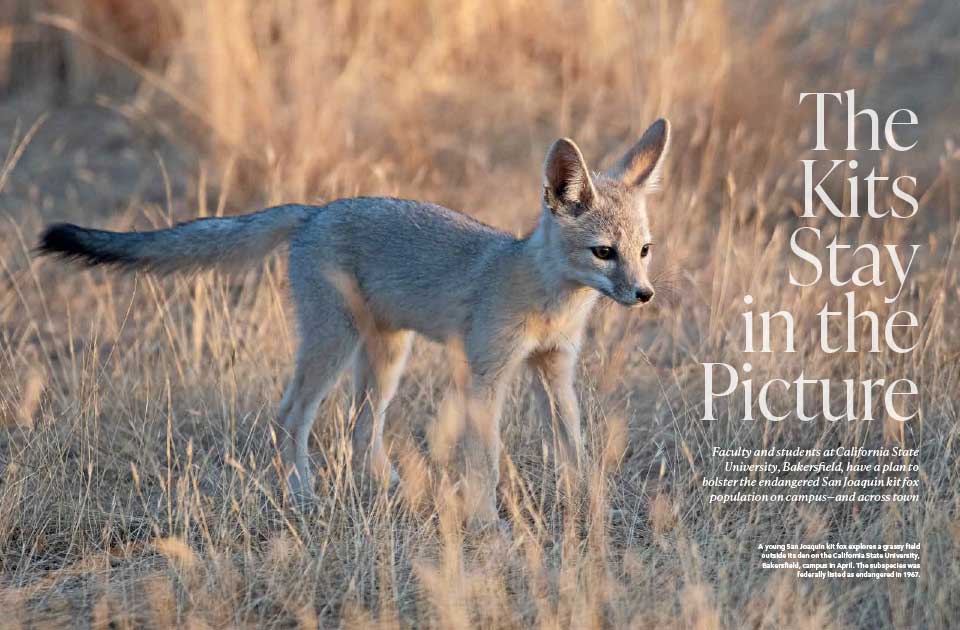
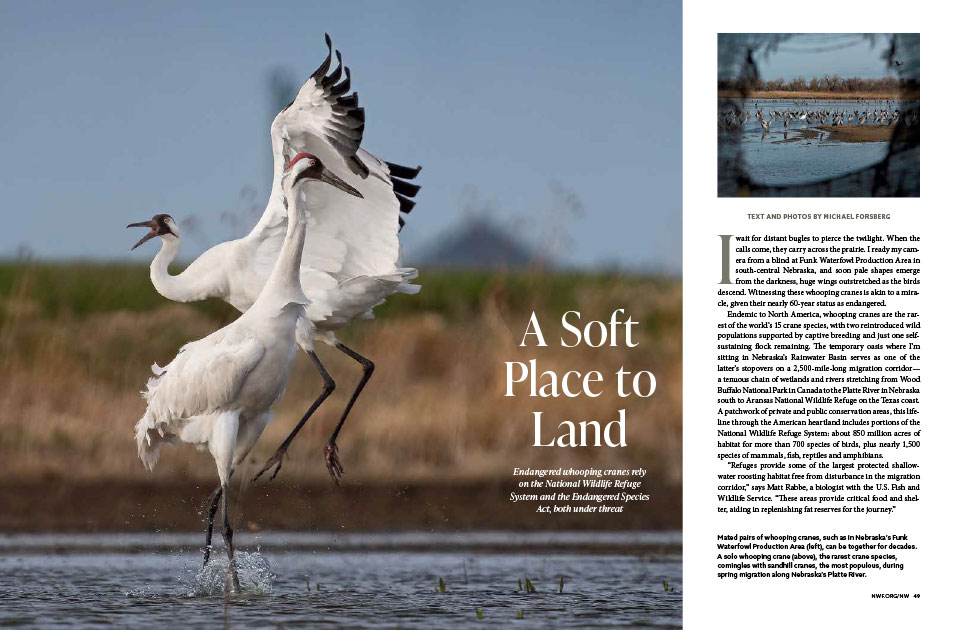
In this issue: How a California campus is rallying to conserve its resident population of endangered San Joaquin kit foxes. Plus, eroding protections for the places whooping cranes land; the tricky subject of synthetic biology; getting a read on noise pollution; weaning manatees off coal. Photo by Anton Sorokin.


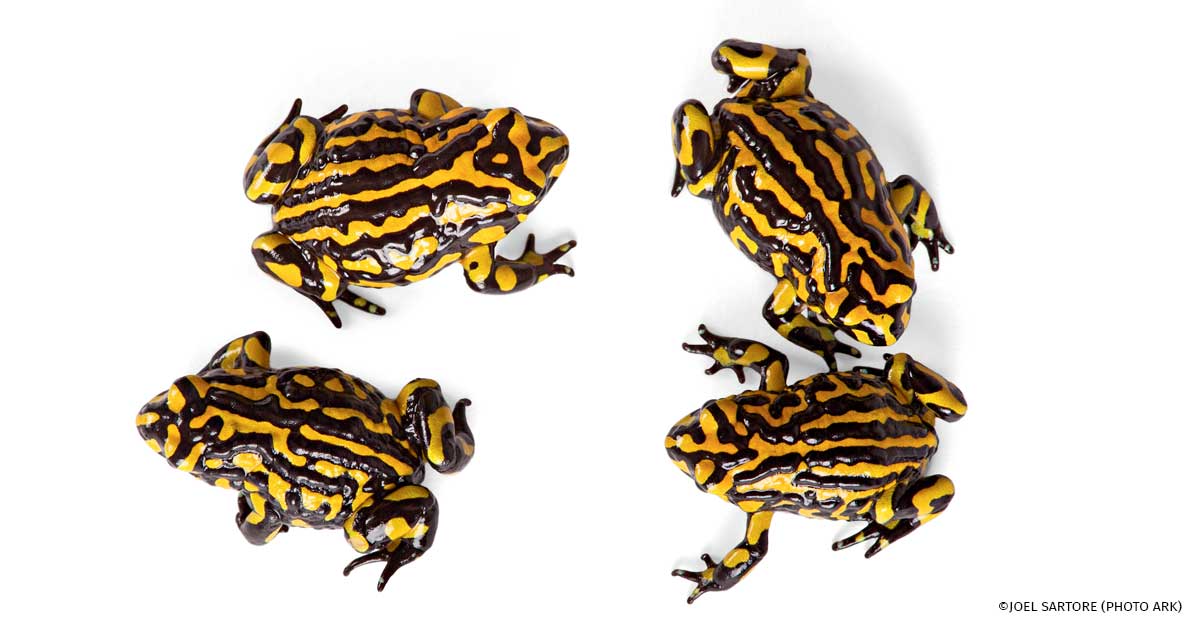
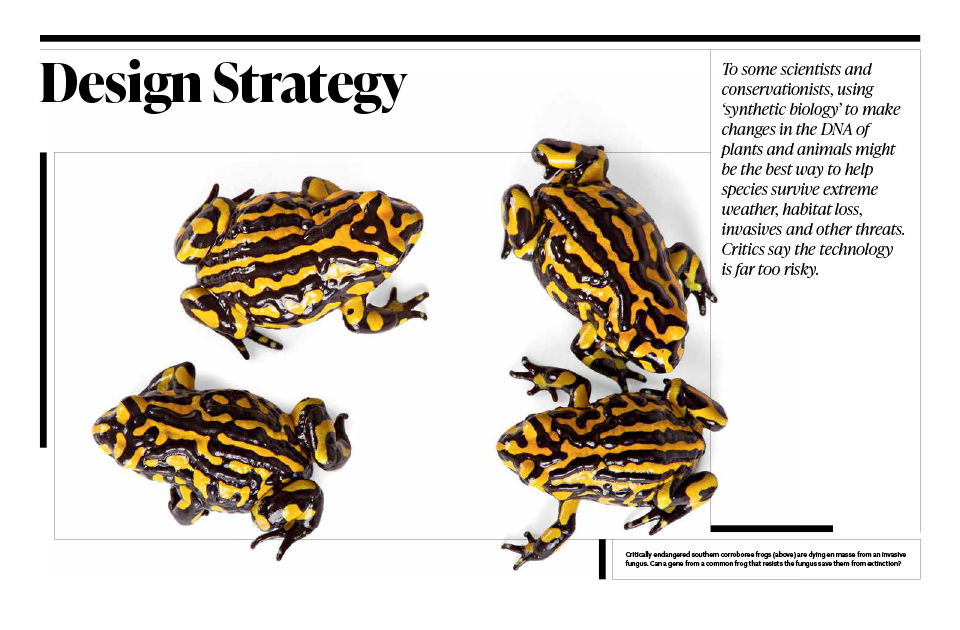
Is Synthetic Biology Worth the Risk?
Some say using synthetic biology to change the DNA of plants and animals could help species survive ...
Read More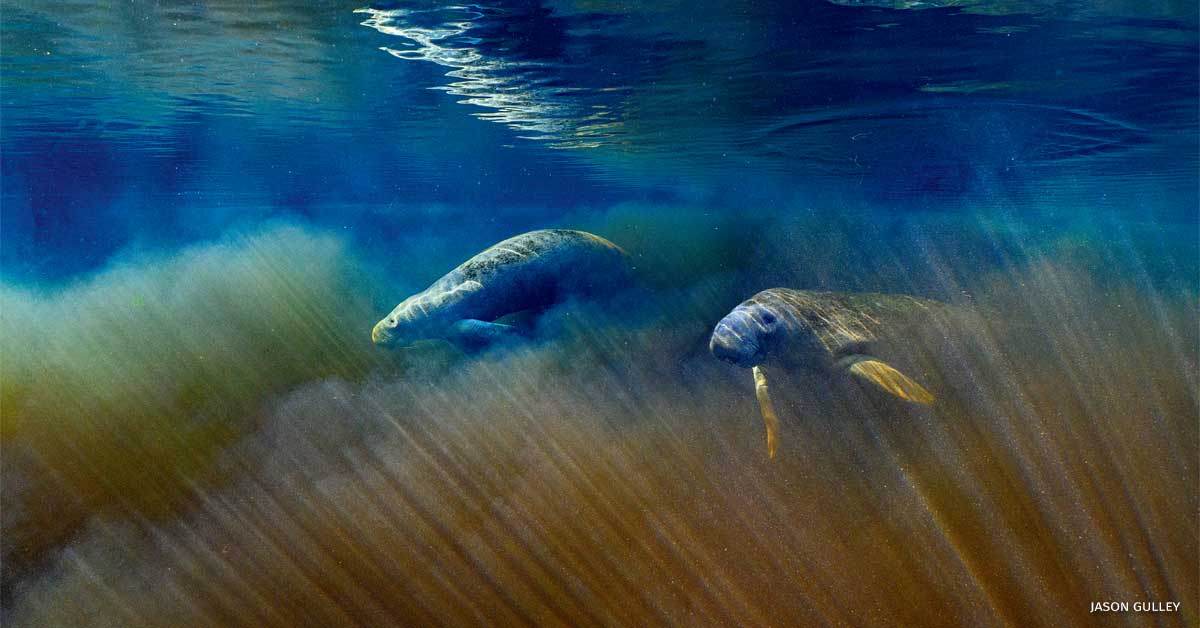
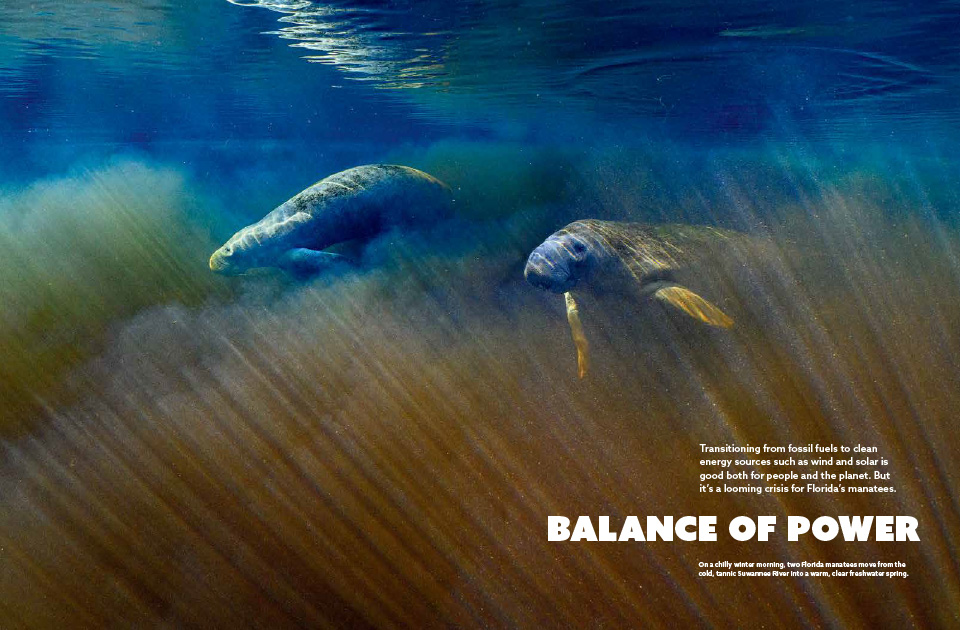
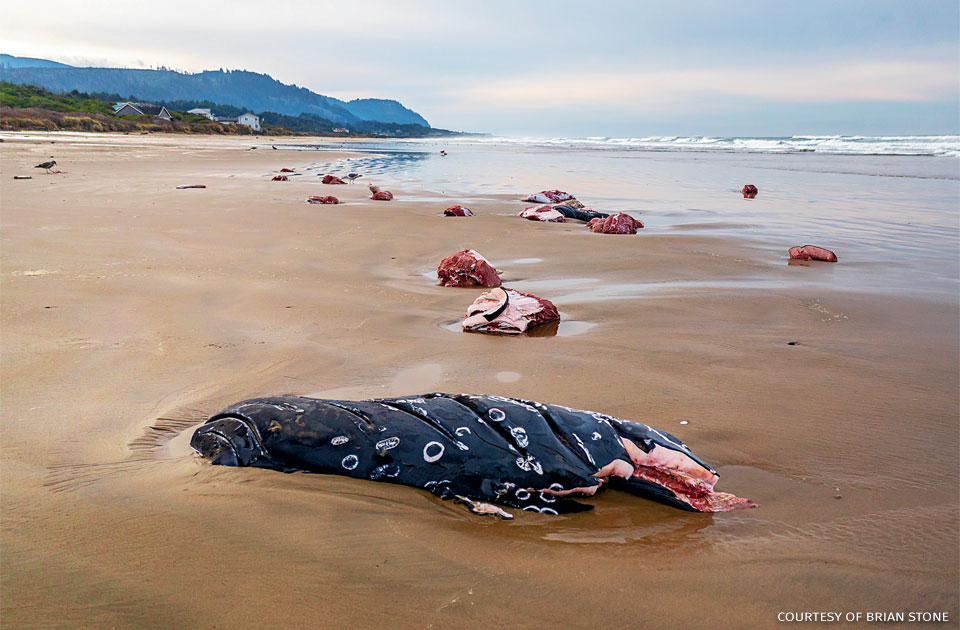
Manatees' Coal Problem
Transitioning from fossil fuels like coal to cleaner energy sources is good for people and the plane...
Read More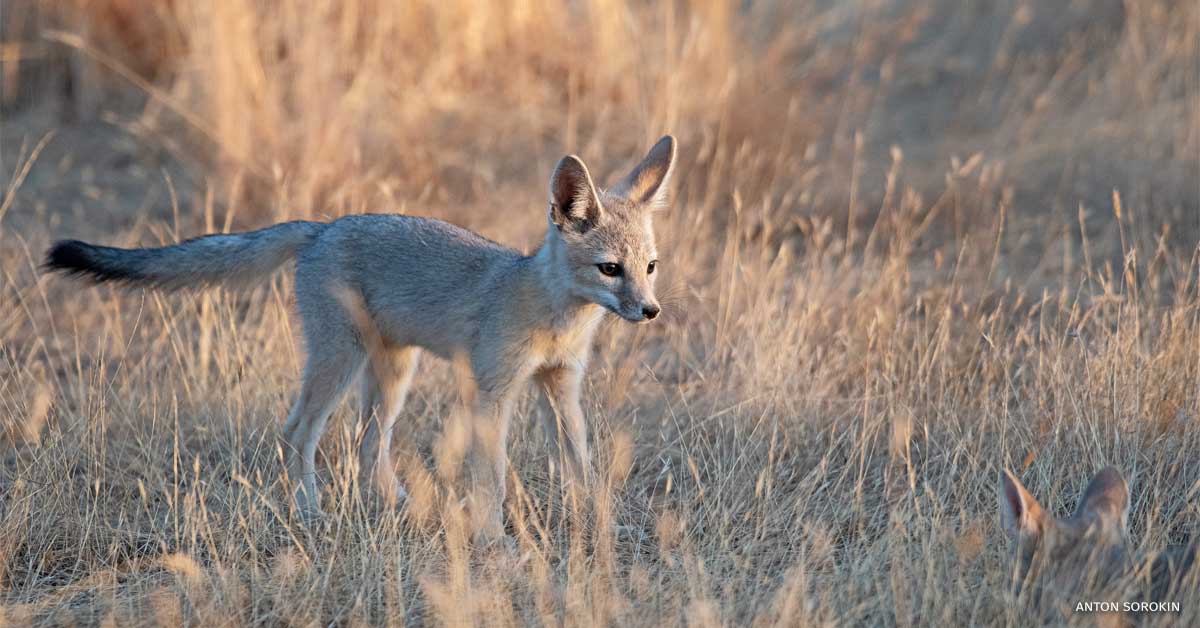
Keeping Kit Foxes on Campus
Faculty and students at California State University, Bakersfield, have a plan to bolster the populat...
Read More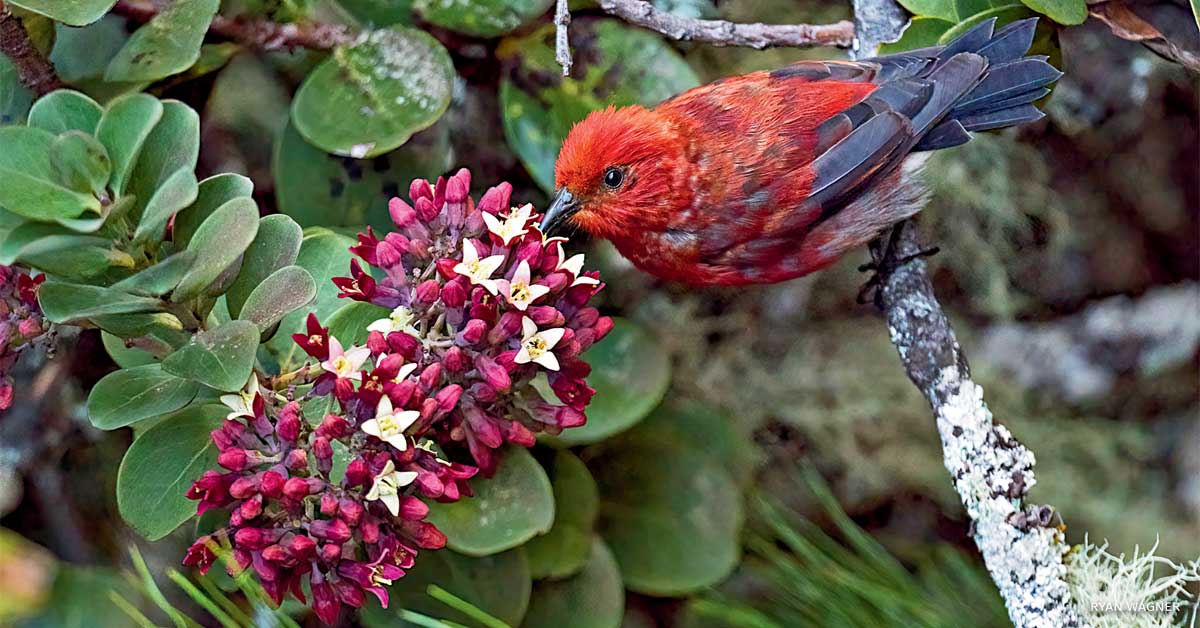
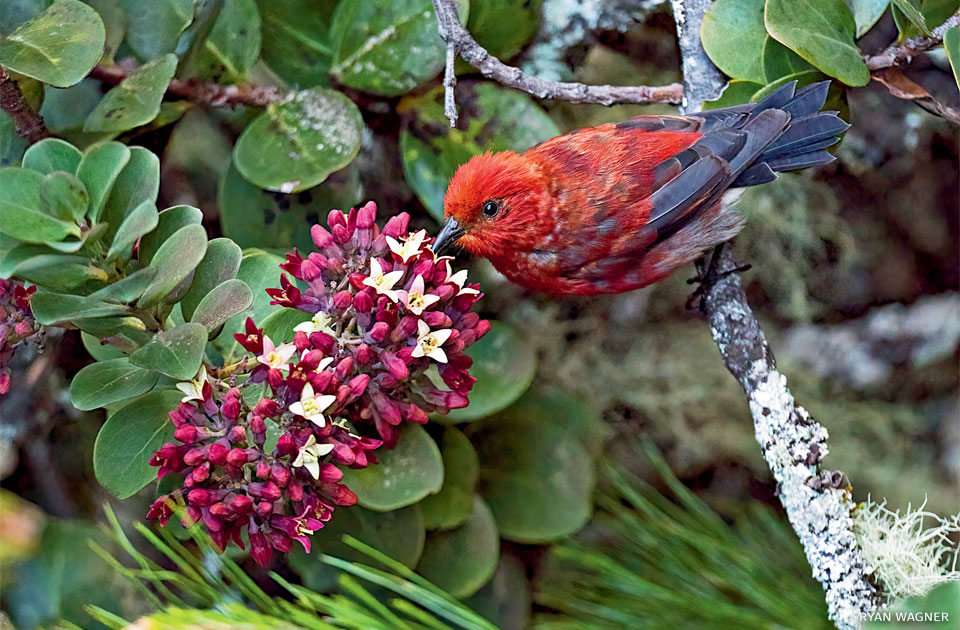
Hawaiian Birds are Stealing from Each Other’s Nests
Plus, a possible ant species akin to cleaner fish, the wildlife trade effect on zoonotic diseases an...
Read More
Crossword: Mark Your Calendar
Solve our fall crossword puzzle then save the dates
Read More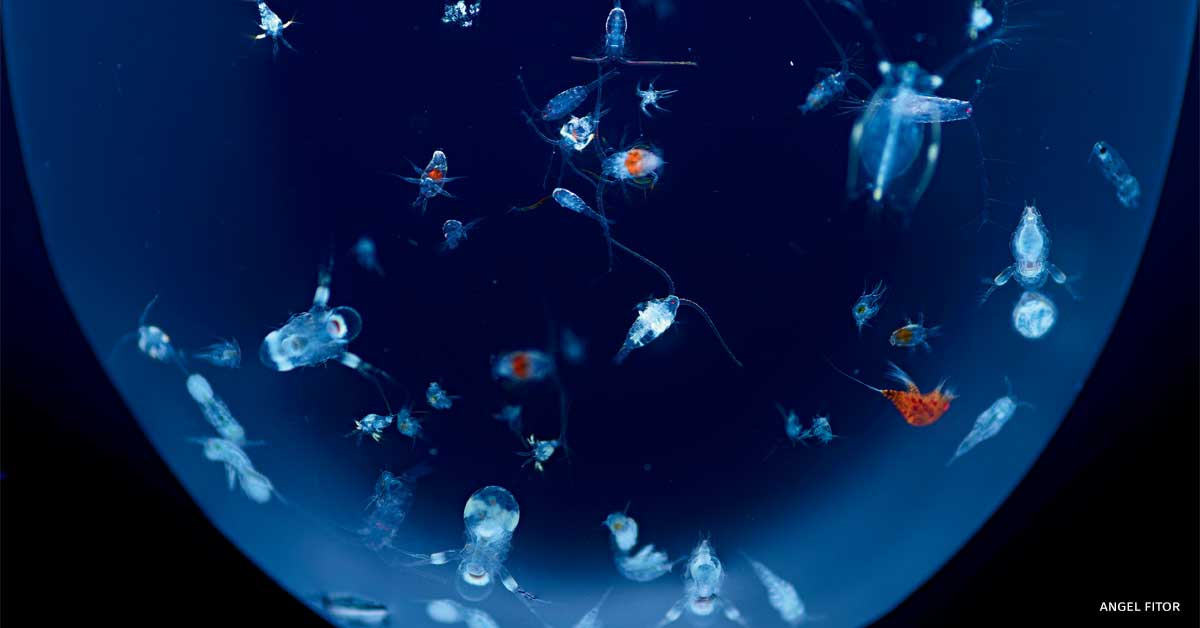
Copepods Inhabit 70% of the Planet. What Are They?
Found in large numbers everywhere there is water, tiny zooplankton called copepods play essential ro...
Read More
Seniors Who Garden Together Age Gracefully Together
Retirement communities nationwide are building camaraderie and vibrant garden ecosystems through Cer...
Read More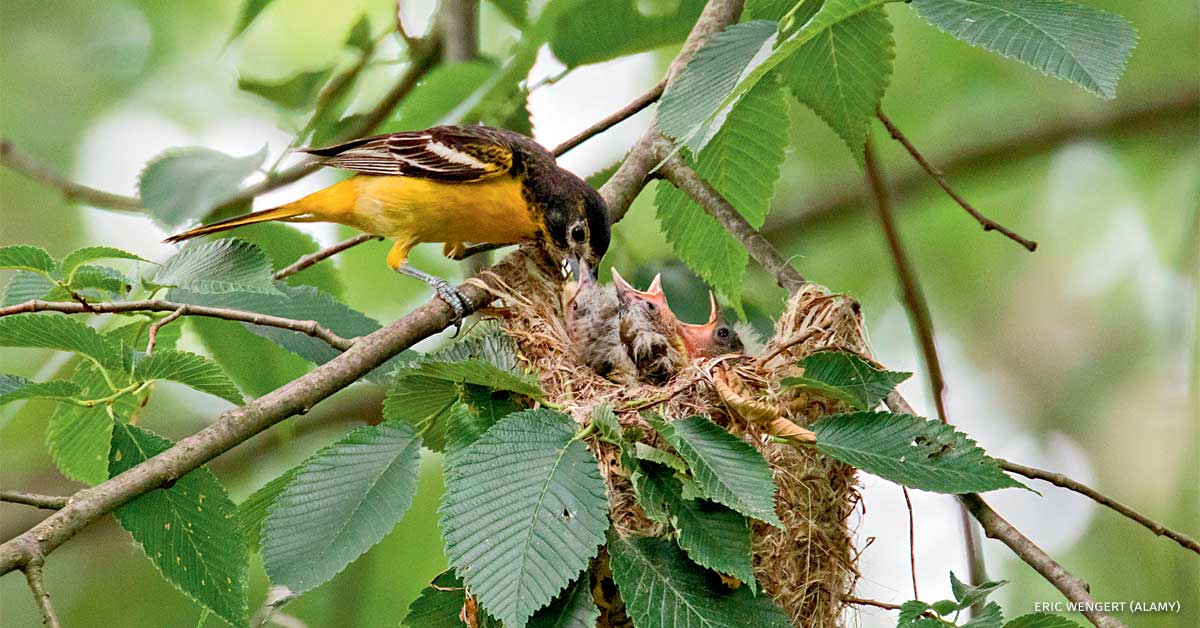
Making Your Yard a Haven for Nesting Birds
How to create safe places for backyard songbirds to raise their young in your yard or garden
Read More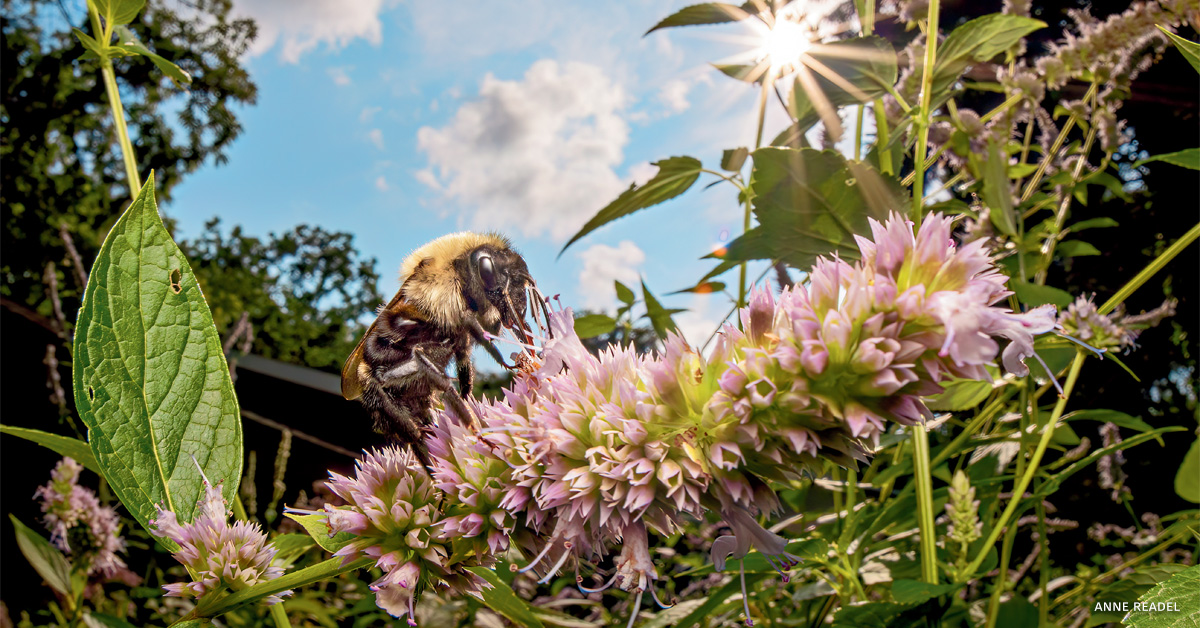
Habitat Fit for a Queen Bumble Bee
How one Wisconsin couple turned their yard into a haven for vulnerable queen bumble bees
Read More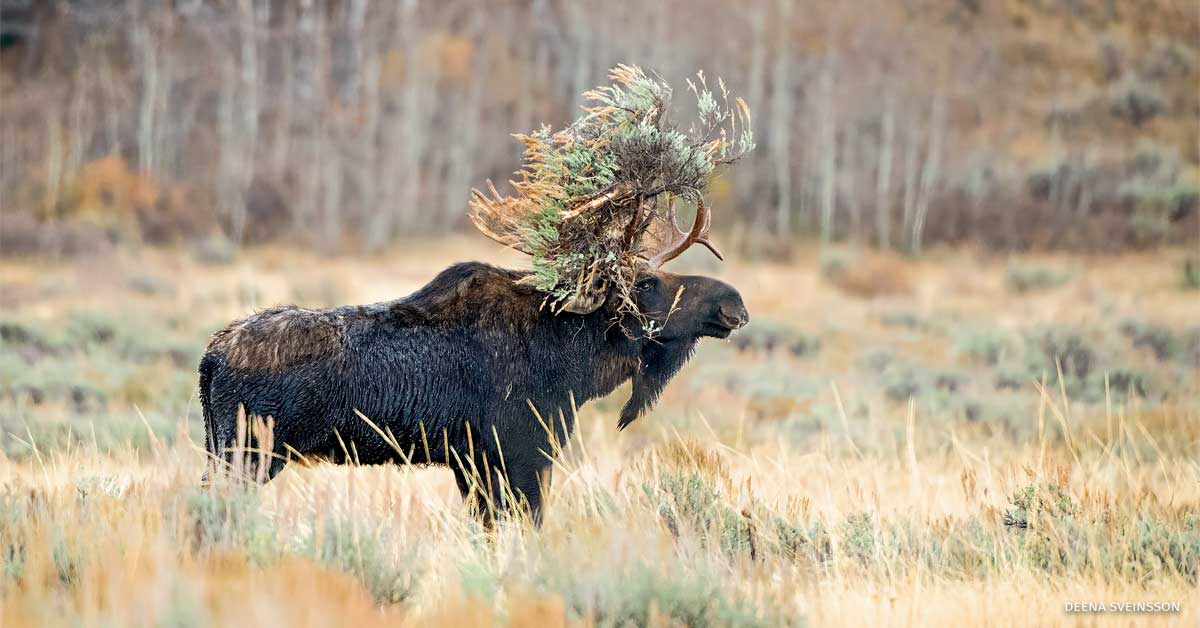
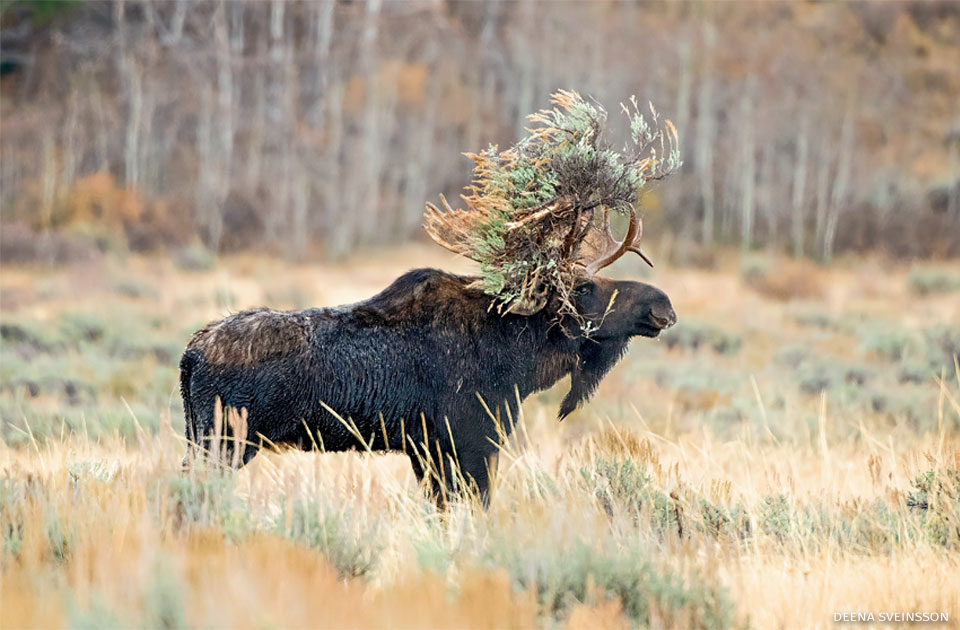
Photography With Patience
After watching Hoback, a well-known Grand Teton moose, for days, photographer Deena Sveinsson finall...
Read More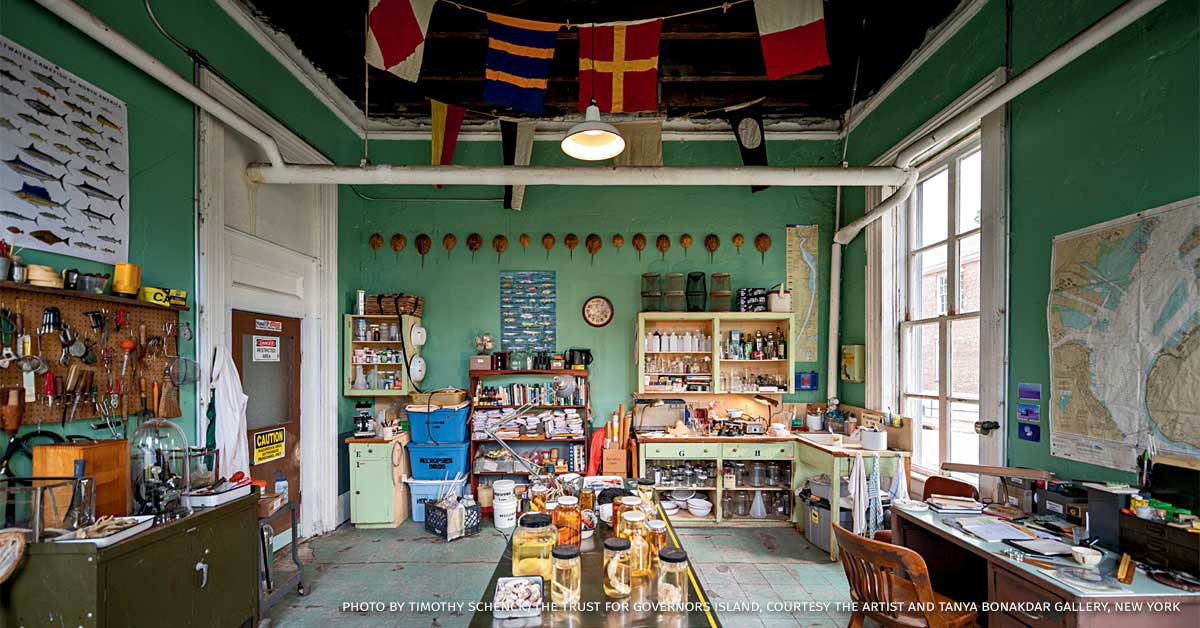
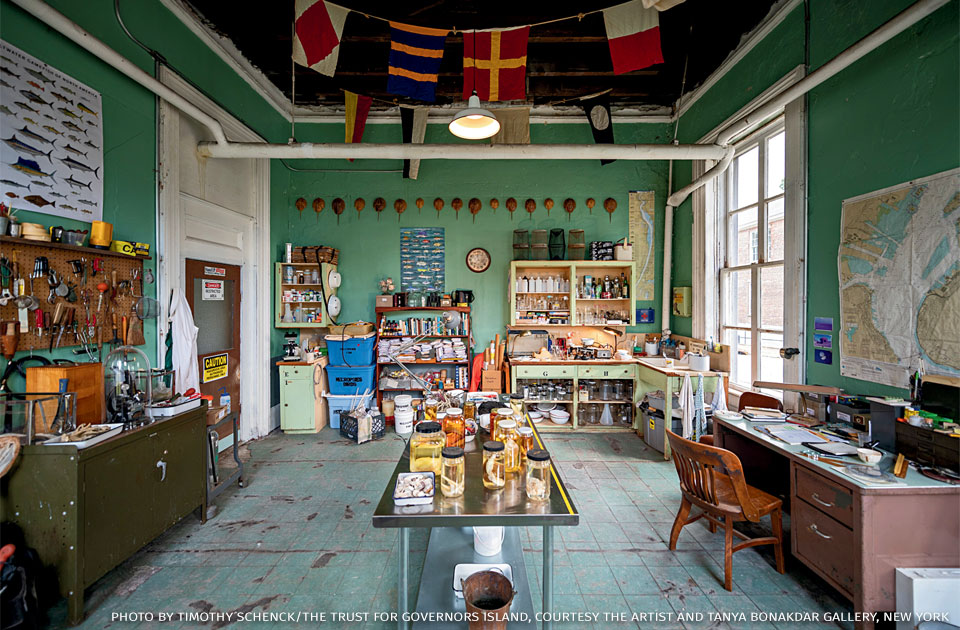
Mark Dion's Room With a Viewpoint
The artist merges fact, fiction and climate anxiety in his ‘follies’: works that, Dion says, ‘seduc...
Read More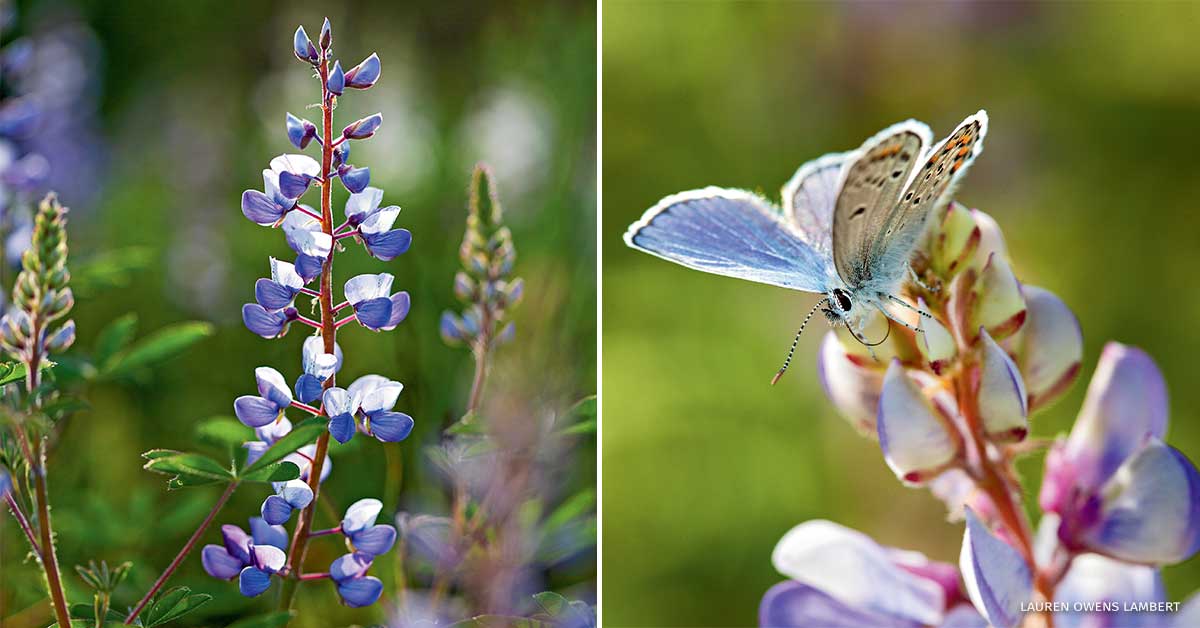
The Plight of the Karner Blue Butterfly
Teams of experts in the Northeast are working together to bring Karner blue butterflies—and the sund...
Read More
Sign Up for Updates

A new storymap connects the dots between extreme weather and climate change and illustrates the harm these disasters inflict on communities and wildlife.
Learn More
Take the Clean Earth Challenge and help make the planet a happier, healthier place.
Learn More
Get a list of highly impactful plants that are native to your area based on your zip code!
Check It OutMore than one-third of U.S. fish and wildlife species are at risk of extinction in the coming decades. We're on the ground in seven regions across the country, collaborating with 52 state and territory affiliates to reverse the crisis and ensure wildlife thrive.


PO Box 1583, Merrifield, VA 22116-1583
800.822.9919

Inspire a lifelong connection with wildlife and wild places through our children's publications, products, and activities
Learn More