Gulf Offshore Wind Lease Buyback Increases Costs, Threatens Wildlife, People
- Lily Sones
- Aug 06, 2026
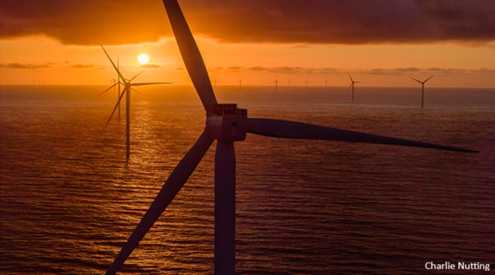
WASHINGTON, D.C. — RWE U.S. Offshore’s announcement of its 1.22 billion-dollar agreement with the Department of Interior to end three offshore wind leases threaten wildlife habitat and progress toward affordable energy, particularly in the Gulf.
“Louisiana’s coastal habitats are disappearing before our eyes,” said Stacy Ortego, Gulf offshore wind manager at the National Wildlife Federation. “This offshore wind project was going to start a new chapter for energy development in the Gulf, using infrastructure the region has been supplying to the East Coast for over a decade. The deal is a leap in the wrong direction — and one that will increase costs for consumers and hurt Louisiana businesses. It will only increase the threats facing Louisiana like rising seas and stronger storms.”
This is the fifth offshore wind lease buyback announced between the Department of the Interior and lease-owners since March of this year, totalling approximately $4 billion in taxpayer dollars across 12 offshore wind leases abandoned across the East, West, and now Gulf coasts.
More Information:
-
The deal ends offshore wind leases in the New York Bight, off the coast of California, and the only offshore wind lease in the Gulf — a project that was projected to produce up to 2 gigawatts of renewable energy for Louisiana, the equivalent of powering over 350,000 U.S. homes.
-
The buyback conditions include a total of $1.2 billion in financial investments into polluting fossil fuel projects in the United States, including $900 million into the Louisiana LNG Project.
-
70% of Louisiana voters favor offshore wind construction off their state’s coast.
-
BOEM’s siting process for RWE’s lease and other potential leases in the Gulf avoided the entirety of Rice’s whale habitat, and included a 20 nautical mile buffer from shore for migratory birds.
-
Louisiana has 458 distinct companies that have the potential to supply services to the offshore wind industry.
-
Businesses in the Gulf have played a significant role in supporting successful offshore wind projects on the Atlantic Coast, with Louisiana and Texas companies involved in constructing the Eco Edison, Charybdis, and five offshore wind turbines for Block Island Wind.