Keeping Wildlife on the Move
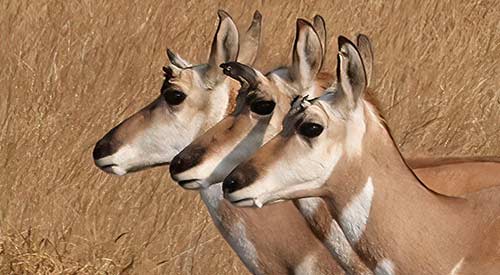
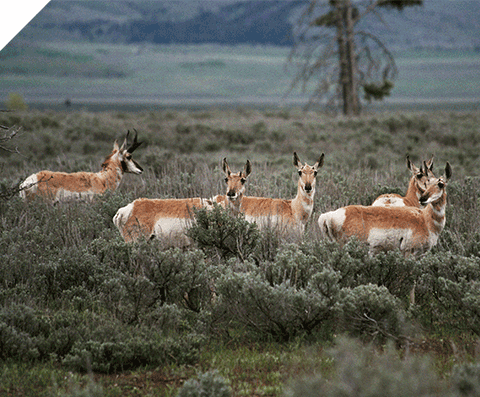
Wildlife rely on secure habitat and the ability to move—sometimes over great distances—for food, reproduction and safety.
CREDIT: MARK WALTERS
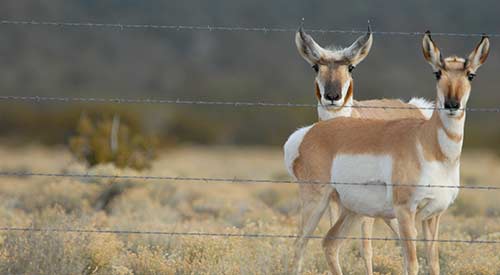
However, human development such as roads, railroads, and fences have created a fractured landscape that disrupts the movement of wildlife and the migration routes that they rely on to survive. Understanding how wildlife moves and their impediments are essential in maintaining landscape connectivity—and a healthy ecosystem.
There are common sense solutions. Yet they require education, collaboration, and partnership. The National Wildlife Federation works with diverse partners and stakeholders using scientific approaches to identify and mitigate barriers to migration.
We focus on two areas of work to implement on-the-ground solutions that support wildlife and people.
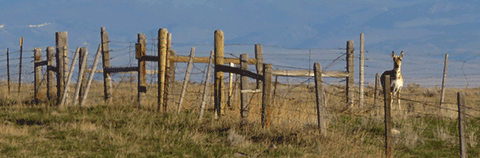
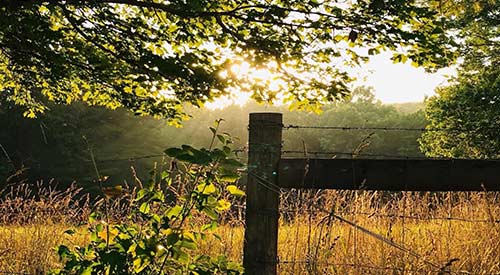
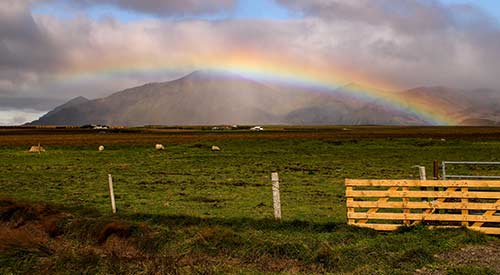
Fencing for Wildlife
Helping wildlife populations to move across the landscape
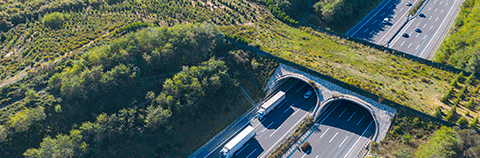
Wildlife Crossings
Projects to mitigate wildlife-vehicle collisions and improve ecological connectivity