Out of the Desert Springs Forth Hope
Gila trout are of critical importance not only to the evolution of the desert southwest, but to the history and cultural identity of the region. Native American tribes have long recognized the ecological importance of these fish, which live in remote, high desert streams.
- Andrew Black, National Wildlife Federation, and Gabe Vasquez, Nuestra Tierra Conservation Project.
- Feb 23, 2023
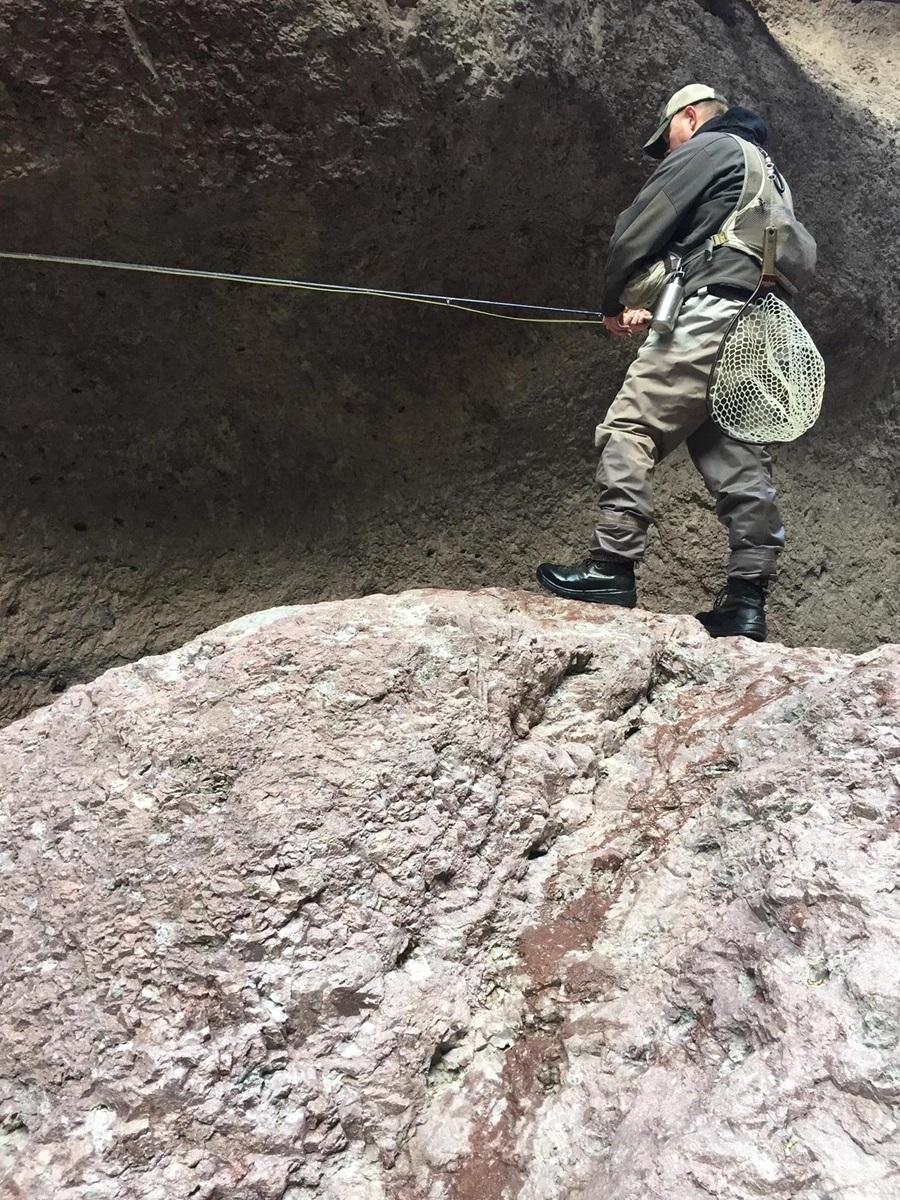
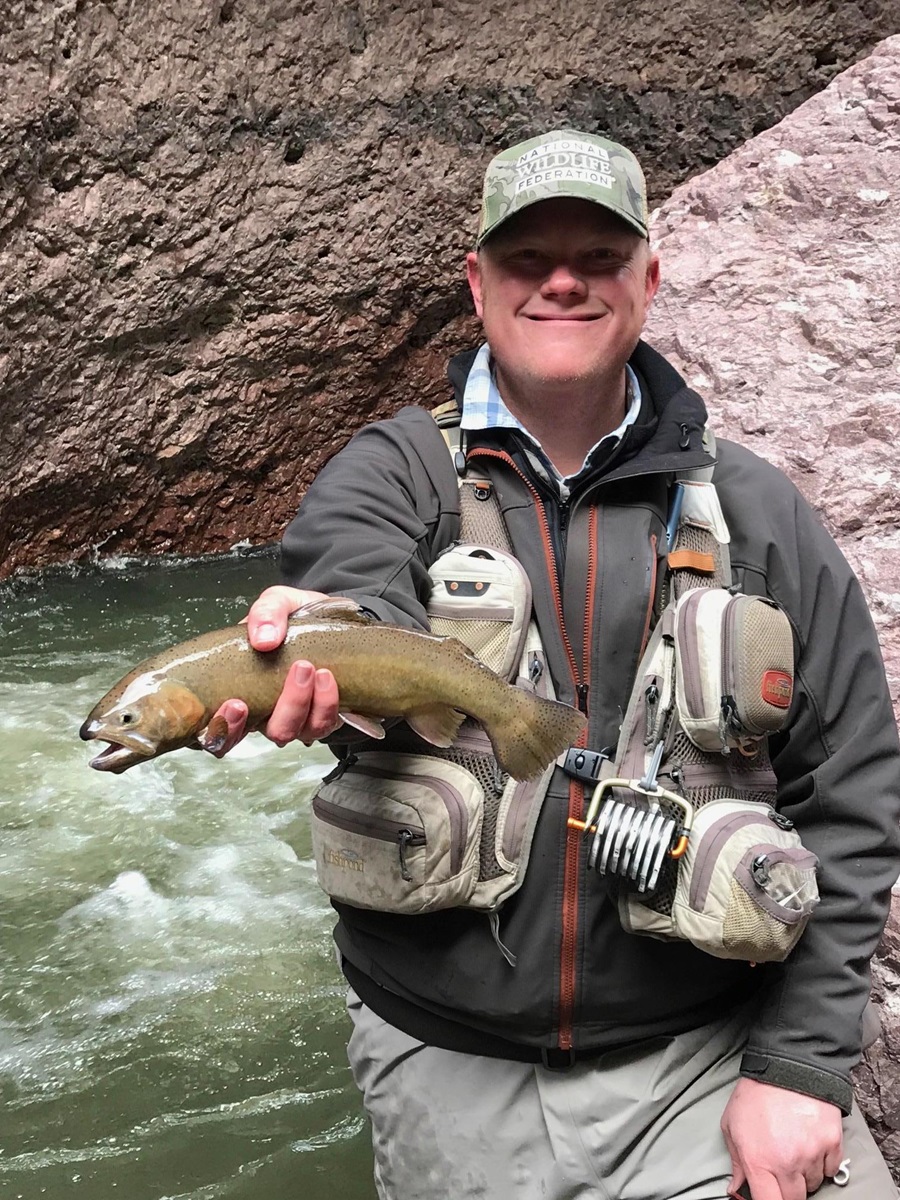
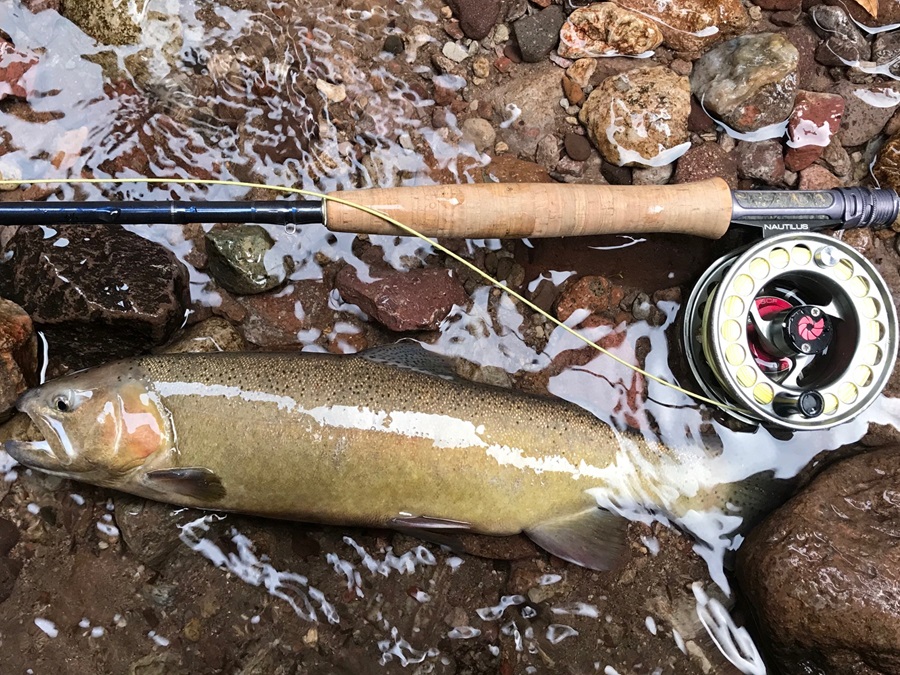
Earlier this month, under a glorious bluebird sky, 30 children got the chance to fish for the iconic Gila trout at Whitewater Creek in southwestern New Mexico. For many, it was their first time casting a rod and hooking a fish. Judging by their smiles, it won’t be their last. The fact that this fishing expedition took place at all is a remarkable story of conservation, cooperation and community.
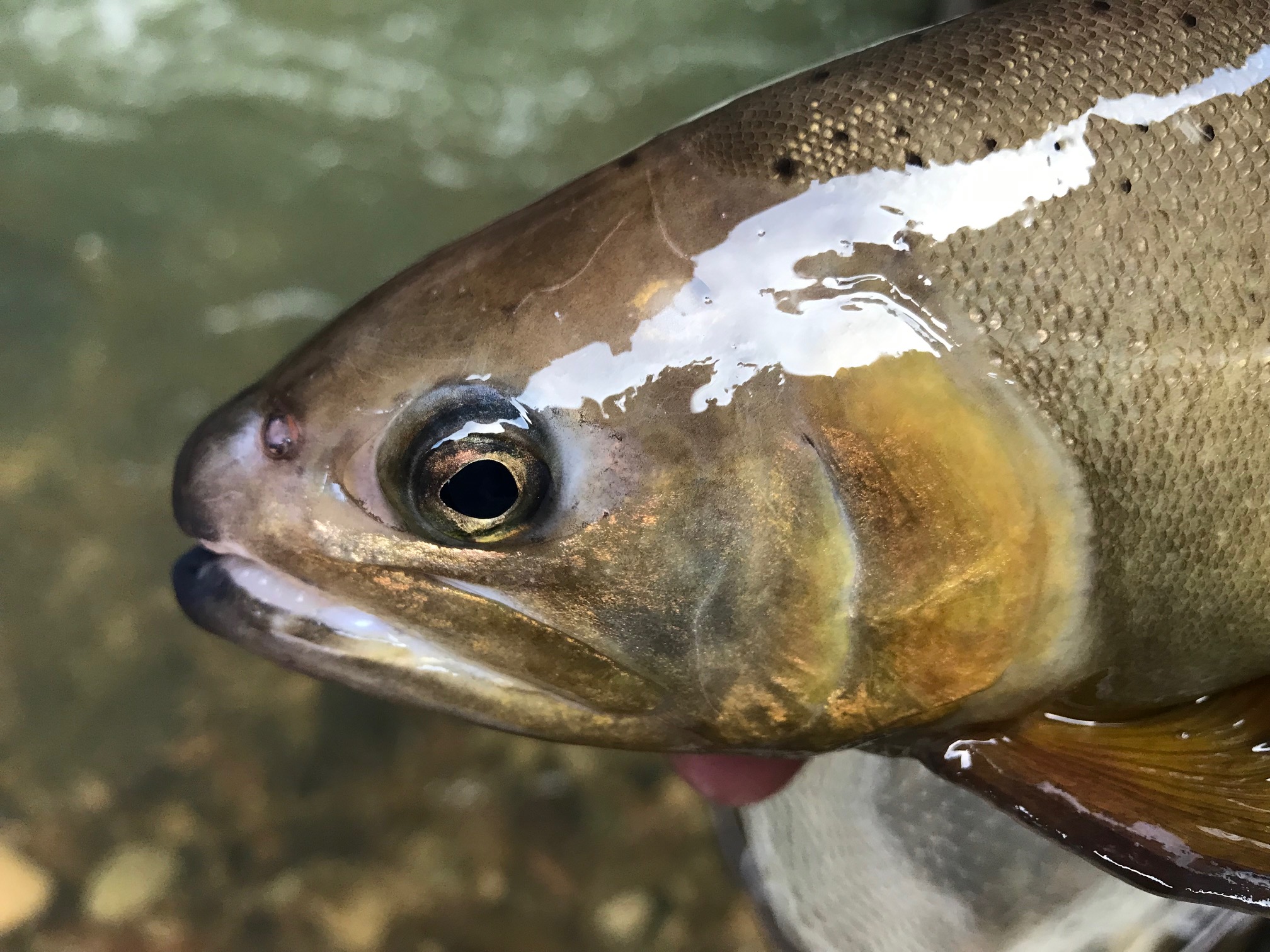
Gila trout are of critical importance not only to the evolution of the desert southwest, but to the history and cultural identity of the region. Native American tribes have long recognized the ecological importance of these fish, which live in remote, high desert streams. (So remote that the Apache leader Geronimo and his warriors hid from the U.S. Army in these areas in the 1880s.) Early western settlers affectionately described Gila trout as “yellow bellies,” noting their distinctive coloration and spotting. Throughout the 1900s, anglers and outdoor enthusiasts traveled hundreds of miles just to catch (or catch a glimpse) of this truly unique species.
Unfortunately, over the years, more than 95% of its’ habitat was destroyed by livestock grazing, logging, road construction and wildfires. The widespread introduction of brook, brown and rainbow trout also led to its’ decline. In 1973, the Gila trout was officially listed as an Endangered Species.
What has happened since that listing is a story of collaboration that offers a glimmer of hope for all who have become disillusioned with the political divisions and dysfunction that grabs today’s headlines. By working together, the U.S. Fish and Wildlife Service, Forest Service, the New Mexico and Arizona Departments of Game and Fish, conservation groups and hundreds of volunteers have managed to restore the Gila trout. In some cases, the efforts made by these groups were nothing short of Herculean. After the Whitewater-Baldy fire burned nearly 300,000 acres, agency staff and volunteers used pack mules to travel into brutally rugged terrain to rescue isolated populations of Gila trout. Often, the work has been more mundane, involving scientists who carefully record trout numbers, water temperatures and restore riparian habitat.
Key to the recovery has been the work of the Mora National Fish Hatchery, which has kept brood stocks of Gila trout for restocking. Thanks to the cooperation and work of these agencies and conservation non-profits, the Gila trout was down-listed from “endangered” to “threatened” in 2006. Special provisions were created to allow limited fishing, with the hope that local fishermen and community members will lead the final preservation efforts that will result in the full recovery of the Gila trout.
As a way to celebrate this teamwork and success, conservation groups began planning a family fishing day at Whitewater Creek in early January 2019. The hope was to help foster a love of fishing and conservation among children and youth. And then came the government shut down. The closure meant the restoration and trout stocking done by federal workers came to a halt and organizers feared that canceling the event or not having kids catch fish would only jeopardize ongoing community support and future conservation efforts.
However, in yet another example of collaboration, the federal hatchery employees formulated a plan with the New Mexico Department of Game and Fish, to continue stocking the waters. Working without pay and guided by a deep sense of mission, it was clear the federal employees understood the impact that stocking the trout would have on local youth, their communities and the broader narrative of conservation in the American Southwest.
And so it was, on that crisp January morning, as dozens of children cast their rods and learned about the importance of this ancient fish, we looked up from the streambed through the narrow red rock cliffs and found ourselves humbled by the self-less efforts of America’s public servants. Not only have they helped restore Gila trout; they have helped build the next generation of conservationists. That morning, it became clear that this was not just an event for a fish that had once been endangered. It was also about America’s endangered sense of community and a strong reminder to us all of the good we can do when we come together to protect our public lands, water and wildlife. And ultimately, it’s a lesson in hope and collaboration that we desperately need our leaders in DC to learn.
Andrew Black is the Public Lands Field Director for the National Wildlife Federation
Gabe Vasquez is the Founder of Nuestra Tierra Conservation Project