As CWD Spreads, So Do Hunting Restrictions
- Nick Simonson, North Dakota Wildlife Federation
- Mar 09, 2022
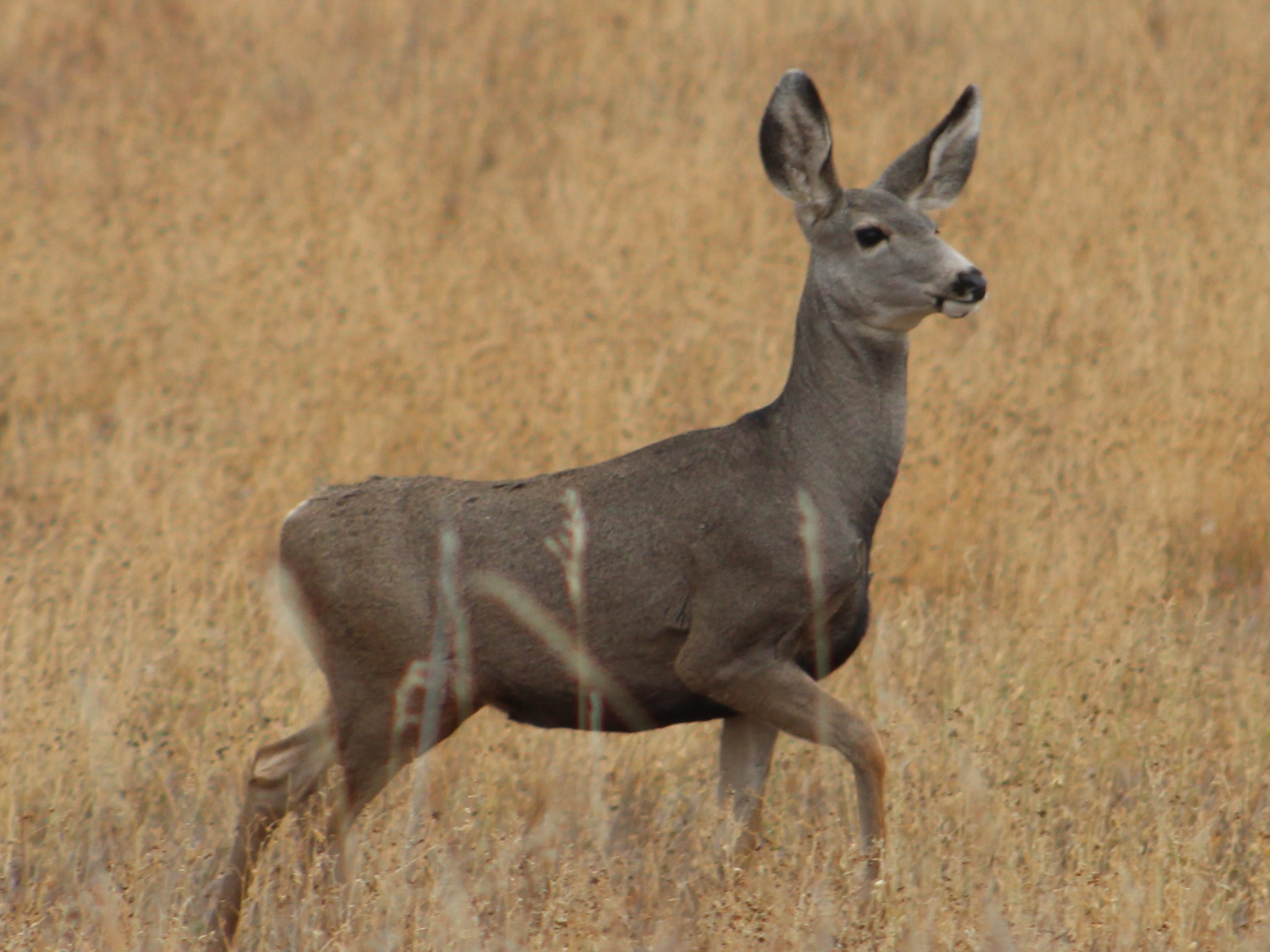 New bipartisan legislation will help address the spread of chronic wasting disease, a fatal neurological disease threatening deer, elk, and moose populations in the United States. The Chronic Wasting Disease Research and Management Act, introduced by Senator Heinrich (D-NM) and Senator Hoeven (R-ND), will help researchers better understand the disease, give state and Tribal experts the resources they need to control its spread, and protect wildlife.

“We conduct surveillance every year primarily looking at hunter-harvested animals. Unfortunately, this year, it was like previous years in that we saw an increase in the geographical footprint of where we know the disease is in the state, so that’s one cause for concern,” relates Charlie Bahnson, Wildlife Vetarinarian for the North Dakota Game & Fish Department (NDG&F), adding, “This year, we had single detections in new units around that 3F2 area. So units 3D1, 3E2 and 3C, mule deer bucks came up positive from there as well.”
With the survey results, not only was the geographic spread notable, but the percentage of deer infected with the disease in the sample size was concerning as well, as the total number of deer sampled with CWD rose from 18 last year to 26 this year, or a jump of 44 percent. In firearms deer hunting unit 3F2, 14 total deer tested positive, with 4.9 percent of harvested mule deer samples and 3.3 percent of sampled whitetails testing positive. In unit 3A1 the percentage of mule deer samples with the presence of CWD in their systems jumped to 6.9 percent, crossing a significant threshold in Bahnson’s opinion.
“There’s these different checkpoints in the progression of the disease. The first would be when you find those first positive deer in the unit. That tells you pretty strongly that there’s reason to be concerned. There’s a pretty good reason to believe that the disease is established in low prevalence. With time over a number of years, that disease will incubate and get into those low-to-mid prevalences– that 5 to 10 percent prevalence. That’s a cause for concern too, because that means you’re rapidly approaching this point where you can expect pretty significant jumps in the infection rates in subsequent years,” Bahnson explains of the known disease trajectory.
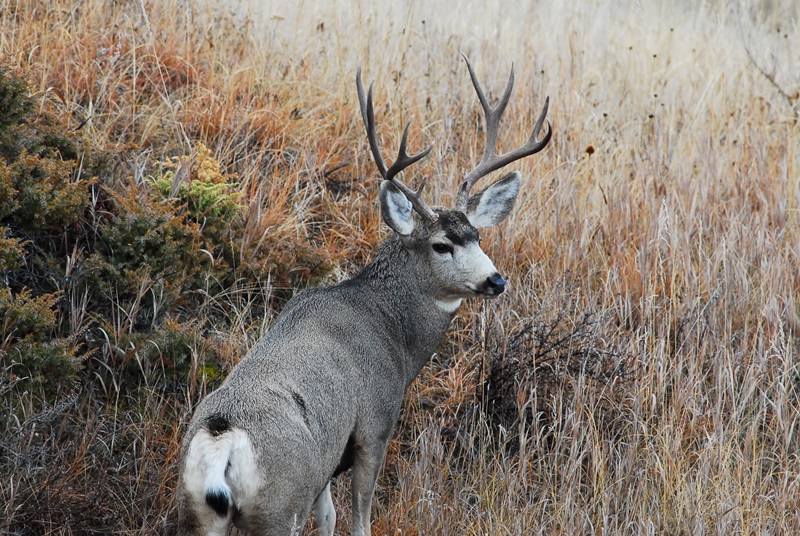
The prion which causes CWD is spread through deer herds in close-contact situations, where mucous and saliva can be easily transferred. This happens most often when deer feed at the same location, making bait piles set out by hunters or those people concerned about survival of area deer during harsh winter conditions prime vectors for spreading the disease. The prion, which damages deer brain tissue, is a long-surviving protein known to withstand cold and drought conditions and can linger in soils for years before infecting another animal. The prion also affects elk and moose. While natural winter behavior of deer herding up for protection from the elements and in limited habitat can contribute to the spread of CWD, the North Dakota Game & Fish Department’s efforts to limit that transmission target those things the agency and hunters can do to help curb its expansion and effects on herd health.
“Our department is in a tough place where we have to look at the known disease risk and weigh that against the wishes of the hunting public. Right now, our approach is that it makes the most sense to just do a unit-by-unit addition based off where we know the disease is; again trying to balance known risk with the interests of hunters,” Bahnson explains.
Under the new CWD proclamation, the practice of hunting over bait and setting out bait to attract big game for the purpose of hunting is now illegal in firearms deer units 1, 2B, 3A1, 3A2, 3A3, 3A4, 3B1, 3C, 3D1, 3D2, 3E1, 3E2, 3F1, 3F2, 4A, 4B, 4C, 4D, 4E and 4F. Bait is defined as those items placed by a person that are a grain, seed, mineral, salt, fruit, vegetable nut, hay, any naturally derived scent or lure or a natural or manufactured food item. With limited exceptions, deer carcasses cannot be transported out of units 3A1, 3A2, 3B1, 3C, 3D1, 3E2, 3F2, 4B and 4C. Similar transport restrictions will apply in 2022 to moose harvested in hunting units M10 and M11 and elk taken in hunting units E2 and E6.
The North Dakota Wildlife Federation is a grassroots organization which protects and enhances North Dakota's wildlife, habitat and access. NDWF promotes hunting, fishing, trapping, bird watching and other wildlife- related activities through education, programs, and on the ground projects. The North Dakota Wildlife Federation works with local, state, and federal agencies to make sure our cherished resources are wisely used.