CWD Bill Passes the House... now onto the Senate!
Bipartisan Legislation Addresses Deadly Disease Killing Deer, Elk, and Moose
- Meshal DeSantis
- Dec 08, 2021
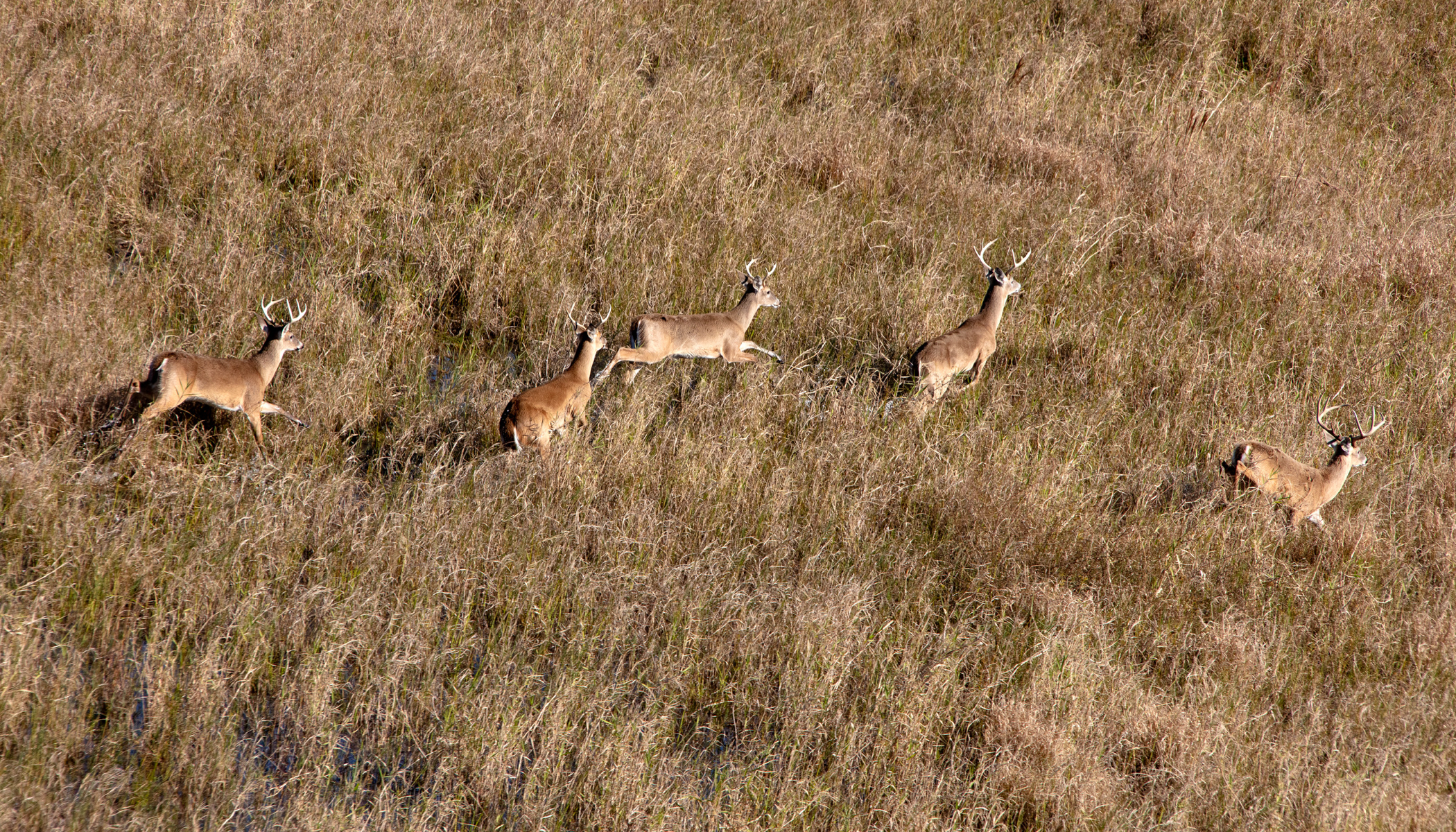
A new bill would invest resources in understanding, preventing, and managing the spread of the deadly chronic wasting disease, a fatal neurological disease, that has impacted deer, moose, and elk populations across the United States. The bipartisan Chronic Wasting Disease Research and Management Act, introduced by Representatives Ron Kind (D-Wis.) and Glenn Thompson (R-Pa.), passed the House of Representatives today and will fund research on detecting and managing the spread of the disease along with funding state and Tribal efforts to stem the spread.
“Chronic wasting disease threatens not only white-tailed deer, elk, mule deer, moose, and caribou, but the ecosystems and outdoor economies that rely upon healthy wildlife populations,” said Collin O’Mara, president and CEO of the National Wildlife Federation. “We thank Reps. Kind and Thompson for their steadfast leadership and the House of Representatives for today’s bipartisan vote—and we urge the Senate to take up this bill immediately. Sportsmen and sportswomen, wildlife enthusiasts, and ecosystems are counting on us to understand and mitigate the spread of this deadly disease.”
Chronic wasting disease is a highly transmissible disease that spreads among members of the deer family that are critical to ecosystems along with local economies and hunting traditions. It has been found in over 25 states across the country and is nearly always fatal and, once established in an area, hard to control.
For those wondering what this bill includes, we've shared some details directly from Congressman Ron Kind's website...
Chronic Wasting Disease Research and Management Act
The Chronic Wasting Disease Research and Management Act will support management efforts and research to combat chronic wasting disease (CWD), which is a contagious, neurological disease affecting cervids – deer, elk and moose – that is always fatal.
CWD belongs to the same family of diseases as scrapie in sheep and goats, “mad cow disease,” and even several rare human diseases such as Creutzfeldt-Jakob disease. There is no known cure for CWD, it is unclear how the disease is transmitted, and the disease continues to spread through cervid populations in North America. As of August 2021, the CDC reports confirmed cases of CWD in at least 25 states, and there are serious concerns that the footprint of the disease will continue to grow.
Summary of the Chronic Wasting Disease Research and Management Act:
The bill authorizes $70 million annually from Fiscal Year 2022 through Fiscal Year 2028 for research and management of chronic wasting disease, with the money to be split evenly between the two purposes. USDA will administer the funds through cooperative agreements.
The research section authorizes funds to be spent on:
1. Methods to effectively detect CWD in live cervids and the environment
2. Testing methods on non-live cervids
3. Genetic resistance to CWD
4. Sustainable cervid harvest management practices to reduce CWD occurrence
5. Factors contributing to local emergence of CWD
The management section authorizes funding for State or Tribal wildlife agencies and departments of agriculture, with the following funding priorities:
1. Areas with the highest incidence of CWD
2. Jurisdictions demonstrating the greatest financial commitment to managing, monitoring, surveying, and researching chronic CWD
3. Efforts to develop comprehensive policies and programs focused on CWD management
4. Areas showing the greatest risk of an initial occurrence of CWD
5. Areas responding to new outbreaks of CWD
The bill also includes authorization for USDA and the state and tribal agencies to develop educational materials to inform the public on CWD and directs USDA to review its herd certification program (HCP) within 18 months.
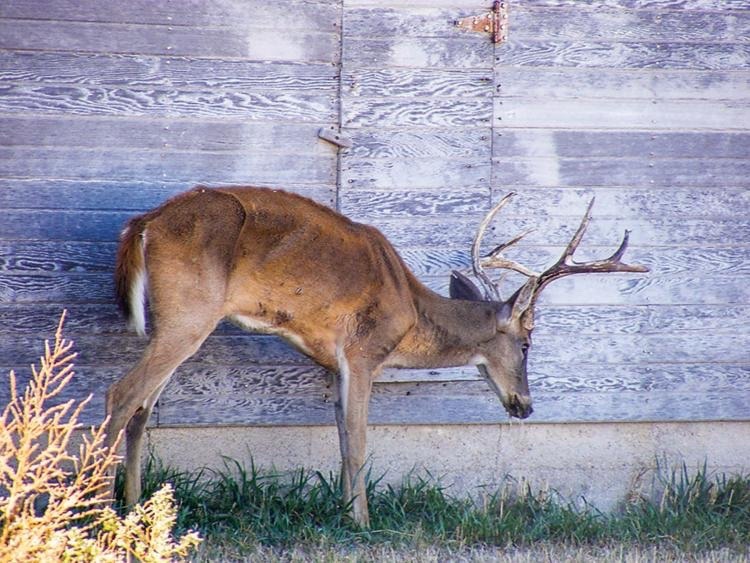
Photo courtesy Kansas Department of Wildlife, Parks and Tourism/Mike Hopper